
Building Pathways, Confidence, and Leadership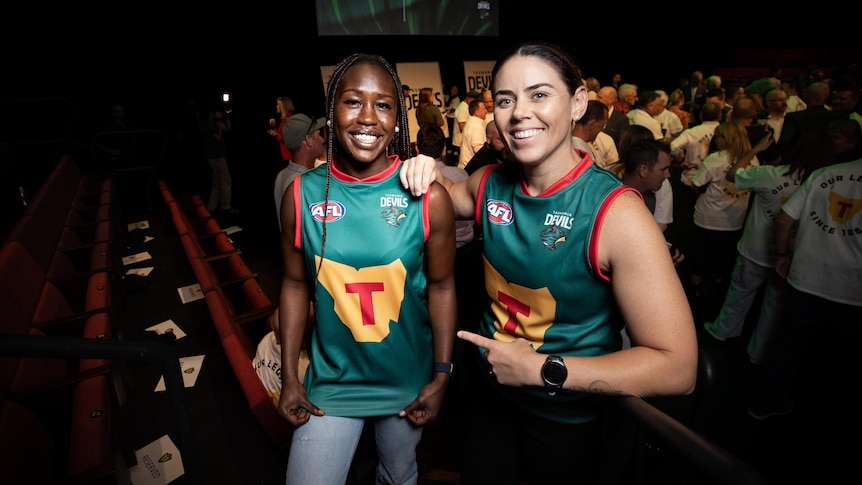
For the Tasmania Devils, supporting women and girls in sport is not simply about participation — it’s about unlocking pathways, confidence, and opportunity for the next generation.
From grassroots clubs to elite pathways, football has the power to shape identity, build resilience and create lifelong networks. For young women and girls, stepping onto the field isn’t just about courage; it’s about stepping into their potential.
One of the most significant flow-on benefits of women’s footy in Tasmania is the expansion of leadership opportunities. Through the Tasmania Academy of Leadership & Sport, young women can now access nationally recognised qualifications in sports management, leadership and high-performance operations — right here in Tasmania. These programs open doors to careers across coaching, administration, media, events, wellbeing, sports science, and community development.
Every clinic, school visit, leadership workshop and community event the Devils deliver becomes a moment where girls can see themselves represented: women playing, women coaching, women leading, women shaping the future of Tasmanian sport.
These moments matter. They build confidence. They spark ambition. And they create a ripple effect that spreads into classrooms, workplaces, families and communities.
By championing women and girls in football, the Tasmania Devils are helping build a stronger, more inclusive Tasmania — one where young women grow up knowing there is a place for them not just on the field, but in leadership, decision-making and the wider sporting industry.
The Devils’ commitment to women’s sport isn’t just about games. It’s about creating pathways, building futures and inspiring a generation.

ESG & UN SDG Alignment
ESG Themes
- Social (S): Inclusion, wellbeing and confidence-building for women and girls in sport.
- Human Capital (S): Education, leadership pathways and skills development via the Tasmania Academy of Leadership & Sport.
- Governance (G): Transparent reporting of community impact, participation, pathways and equity outcomes.
UN Sustainable Development Goals (SDGs)
-
- SDG 3 – Good Health & Well-being
Relevant Sub-Targets:- 3.4 — Reduce premature mortality and promote mental health and well-being through physical activity, resilience and connection.
- 3.5 — Strengthen prevention and wellbeing programs that support healthy lifestyles for young people.
Participation in sport strengthens mental wellbeing, resilience, social connection, and encourages healthy lifelong habits among girls and young women.
- SDG 3 – Good Health & Well-being
-
- SDG 4 – Quality Education
Relevant Sub-Targets:- 4.3 — Ensure equal access for all women and men to affordable, quality technical, vocational and tertiary education.
- 4.4 — Increase the number of youth and adults with relevant skills for employment and leadership.
- 4.5 — Eliminate gender disparities in education and ensure equal access for the vulnerable.
The Tasmania Academy of Leadership & Sport provides recognised qualifications that empower young women with career pathways in coaching, administration, media, events and high-performance sport.
- SDG 4 – Quality Education
-
- SDG 5 – Gender Equality
Relevant Sub-Targets:- 5.1 — End all forms of discrimination against women and girls.
- 5.5 — Ensure women’s full and effective participation and equal leadership at all levels.
- 5.c — Adopt and strengthen policies for gender equality and empowerment.
Increasing representation of women as players, coaches, officials and leaders in football directly advances gender equality and long-term empowerment.
- SDG 5 – Gender Equality
-
- SDG 10 – Reduced Inequalities
Relevant Sub-Targets:- 10.2 — Empower and promote social, economic and political inclusion for all, regardless of age, gender or background.
- 10.3 — Ensure equal opportunity and reduce inequalities of outcome.
Statewide clinics and programs ensure girls from all regions — urban, rural and remote — have access to opportunities, role models and pathways.
- SDG 10 – Reduced Inequalities
- SDG 11 – Sustainable Cities & Communities
Relevant Sub-Targets:- 11.7 — Provide universal access to safe, inclusive and accessible public spaces.
- 11.b — Adopt integrated community engagement strategies that build resilience and inclusiveness.
Football clinics, community events and local participation programs create inclusive, safe environments where women and girls can belong and thrive.