


Tennis North stands as the central organising force for the sport across Northern Tasmania, providing structure, support, and strategic direction to clubs and competitions across the region. Formed through the amalgamation of two historic Northern Tasmanian tennis associations, Tennis North represents a unifying chapter in the state’s tennis history—bringing together decades of local tradition under one cohesive banner.

Today, Tennis North operates as the overarching body to which three major competition groups report:
JTDC (Junior Talent Development Committee) – overseeing junior development pathways, coaching standards, and representative opportunities for emerging young players.
Ladies Midweek Tennis – managing the long-running social and competitive midweek competitions that remain an important part of the region’s tennis community.
Interclub Pennants – responsible for the coordination of seasonal pennant competitions that link clubs across Northern Tasmania.
Through these structures, Tennis North ensures continuity in standards, competition integrity, and pathways for players at all stages—from beginners to elite juniors.
Tennis North is led by elected representatives from affiliated clubs across the northern region. This democratic structure keeps decision-making grounded in the community, ensuring that policies, competitions, and development efforts align with the needs of clubs and players.
The organisation works closely with Tennis Tasmania, ensuring that regional programs and competitions connect seamlessly with statewide strategies, high-performance initiatives, and national pathways.

At its core, Tennis North’s mission is to grow participation and elevate the standard of tennis across Northern Tasmania. Its objectives include:
Supporting club development through resources, governance assistance, and planning
Increasing participation across juniors, adults, and social players
Promoting community tennis and strengthening local club identity
Developing clear pathways from grassroots to competitive and representative levels
Ensuring strong competition structures that keep the sport vibrant and accessible
Collaborating with Tennis Tasmania to deliver statewide programs at a regional level
Whether through supporting local clubs, overseeing tournaments, or nurturing young talent, Tennis North remains a fundamental pillar of the region’s sporting community.
Tennis North has been part of the Launceston community for more than 60 years. Over that time, it has remained a volunteer-led organisation, sustained not by paid staff or formal structures, but by people who continue to give their time to keep local tennis active.
The organisation sits across a network of clubs, players, volunteers, and supporters throughout Northern Tasmania. While tennis itself is the central activity, much of what Tennis North represents to the community extends beyond the sport. It provides a consistent structure where people of different ages and backgrounds can come together through something shared.
Being volunteer-based shapes how the organisation operates. Every event, competition, or activity depends on individuals choosing to contribute their time. This includes organising weekly pennants, coordinating tournaments, setting up facilities, running barbeques, and managing the day-to-day tasks required to keep things moving. Much of this work happens without visibility, often outside of playing hours.
For many volunteers, involvement begins through their own connection to tennis — as players, parents, or supporters. Over time, that involvement often extends into helping organise events or support club activities. This gradual transition from participant to contributor is part of how Tennis North sustains itself.
The organisation plays a role in creating regular opportunities for people to engage with sport. Weekly pennant competitions provide structure for players, while tournaments bring together participants from different clubs and regions. These events are not only about competition; they also act as meeting points where people reconnect, build relationships, and remain engaged with their community.
Tennis North also supports entry points into the sport through initiatives such as fun days and introductory programs delivered through Tennis World. These activities are designed to make tennis accessible, particularly for younger participants or those who may not have previously been involved. In a regional setting, these entry points are important in ensuring sport remains available to new generations.
A significant part of Tennis North’s operation is supported by local businesses. As a volunteer organisation, it relies
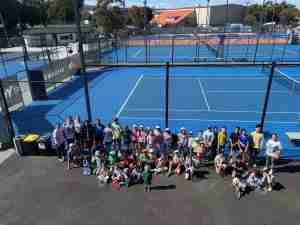
 The day was orchestrated by the Junior Tennis Development Committee (JTDC) a subcommittee of Tennis North. JTDC committee is made up of parents of junior tennis players who are passionate about promoting the sport. Tennis Fun Day, held at Tennis World Launceston, was further supported by Tennis Tasmania, with more than 60 participants turning out to give it a go. The format was simple: short coached sessions, open access to courts, and a barbecue running alongside it all. People could arrive, join a group, have a hit, and stay as long or as little as they liked.
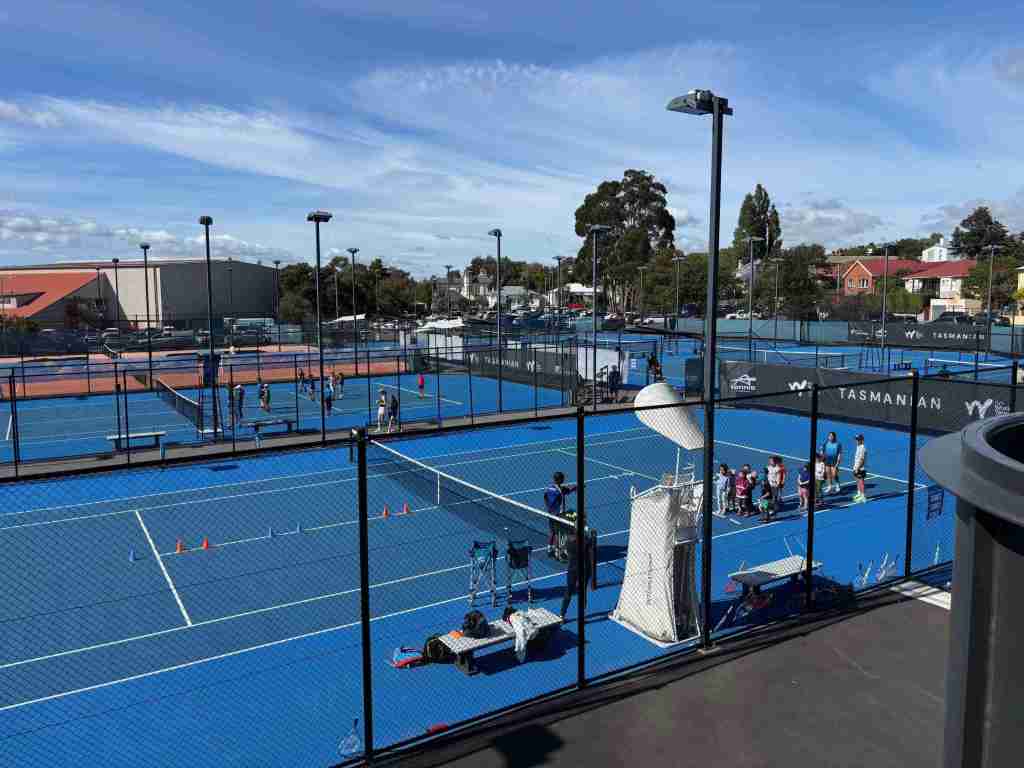
Some participants were picking up a racquet for the first time. Others hadn’t played in years and were curious to see how it felt again. Coaches rotated groups through basic drills, light rallies, and small games, adjusting the sessions depending on who stepped onto the court. There wasn’t any pressure to perform or sign up to anything. It was more about removing the barrier of getting started.
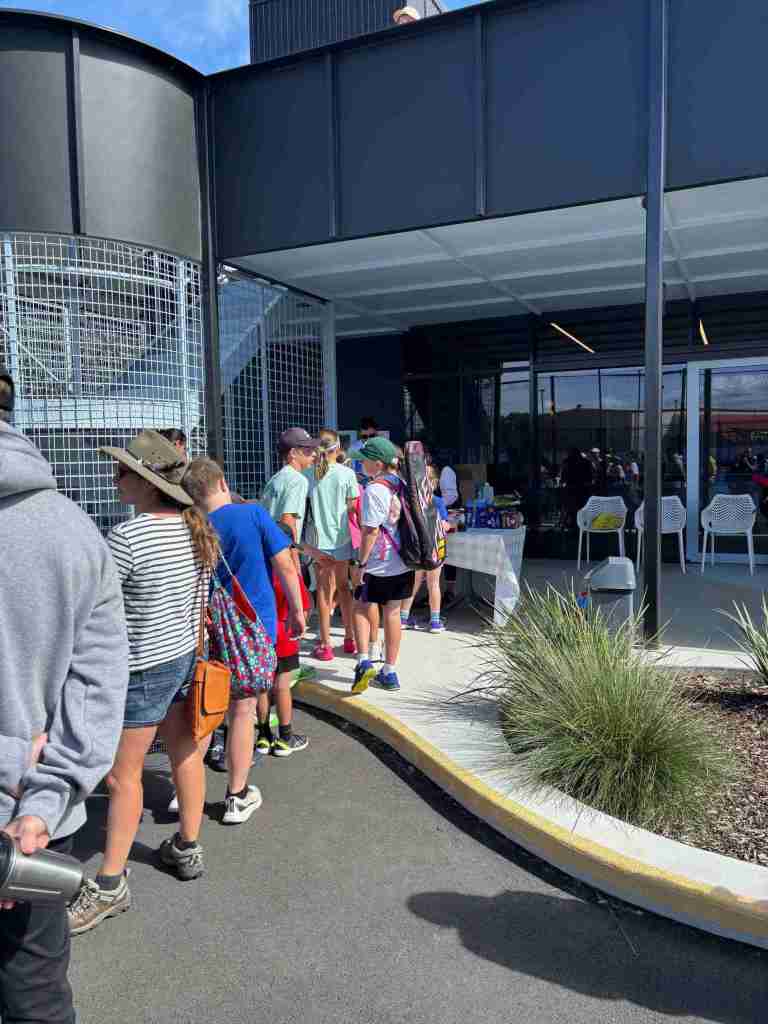 Getting people on court, not just watching
The day worked because it focused on participation rather than demonstration. Instead of showcasing high-level play, the emphasis stayed on getting people moving, hitting balls, and interacting with others. For younger kids, that meant simple coordination games and short rallies. For adults, it often turned into informal hitting sessions and conversations about local competitions or social tennis options.
Parents stayed nearby, chatting with volunteers and other families while keeping an eye on their kids progress. Some ended up joining in themselves. The barbecue helped create that pause between sessions where people could sit, talk, and decide whether to head back onto the court for another go.
For Tennis North, events like this are a practical way to connect with people who might not otherwise walk into a club environment. It shifts tennis from something organised and structured into something approachable and visible in the community.
A small step that builds ongoing involvement.
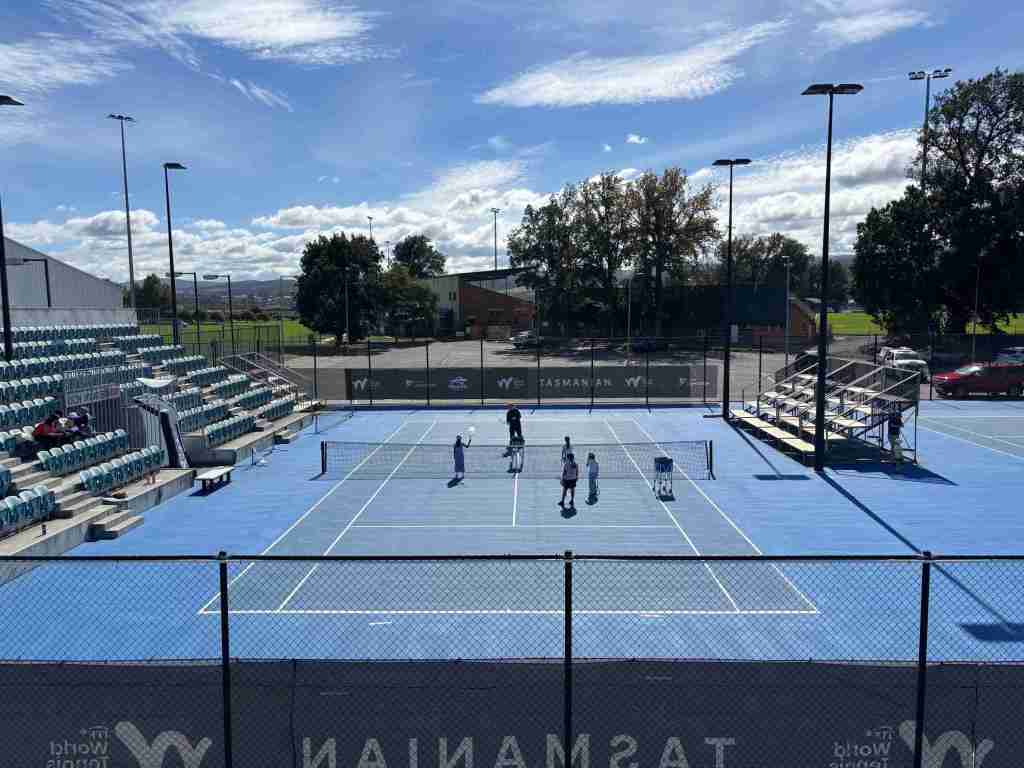
By the end of the day, a number of participants had asked about regular programs, coaching options, and local competitions. Others simply left with a better understanding of how to access courts or join in socially. Not everyone who attends will continue, and that’s expected. The value sits in making that first interaction easy and positive.
In Launceston, Tasmania, where community sport plays a steady role in local life, these smaller entry points matter. They give people a way to test something without commitment and see where they fit. For some, it leads to regular play. For others, it might just be a one-off experience, but even that adds to how sport is seen and talked about locally.
Tennis North continues to run these kinds of sessions because they create a visible, low-pressure connection between the sport and the broader community. It’s not about scale or numbers alone, but about making sure the courts are used, seen, and open to anyone willing to step onto them.
Share this contribution
Tennis North operates as a volunteer-based organisation, but its ability to continue functioning is closely connected to the support it receives from local businesses.
For-profit businesses contribute to the organisation in various ways, including providing funding, donating products, and offering their time to support events and initiatives. These contributions are an important part of how Tennis North sustains its activities.
Support from businesses often develops through existing relationships within the community. Business owners, employees, and customers may already be involved in tennis as players, parents, or supporters. These connections create opportunities for collaboration and support.
Financial contributions from businesses can assist with the costs associated with running tournaments, maintaining equipment, and supporting programs. Donated products may be used in fundraising activities or provided as part of events. In some cases, businesses also contribute their time by assisting with the organisation or delivery of activities.
These contributions allow Tennis North to operate without relying solely on participant fees. This helps keep the sport accessible to a wider range of people, particularly in a regional community where affordability can influence participation.
The relationship between Tennis North and local businesses reflects a broader pattern within the community. Businesses support organisations that contribute to local life, and in turn, those organisations provide opportunities for people to engage, connect, and participate.
This form of mutual support is often informal and ongoing. It may not be widely visible, but it plays an important role in sustaining community activities. For Tennis North, these relationships enable the organisation to continue providing programs, competitions, and events.
Beyond financial and material contributions, the involvement of businesses also reinforces the connection between sport and the wider community. It highlights that community activities are not sustained by individuals alone, but through shared contribution across different parts of the local environment.
Tennis North continues to rely on this support as part of its ongoing operation. Through these relationships, the organisation is able to maintain its role in providing opportunities for participation and connection within Northern Tasmania.
Share this contribution
A significant part of Tennis North’s contribution to the community lies in its role in organising and maintaining regular competitions and events, including weekly pennants and local tournaments.
These activities provide structure for players across Northern Tasmania. Weekly pennants allow participants to compete regularly, while tournaments bring together players from different clubs and regions. For many individuals, these events form a consistent part of their weekly or seasonal routines.
The organisation and delivery of these competitions rely entirely on volunteers. Tasks such as scheduling matches, coordinating venues, managing results, and ensuring facilities are prepared all require time and effort from individuals who are not paid for their involvement.
Events such as tournaments also involve additional responsibilities. Volunteers may organise draws, set up courts, manage registrations, and oversee the operation of popup stores or barbeques. These activities contribute to both the experience of participants and the financial sustainability of the organisation.
Popup stores and fundraising initiatives, such as barbeques, are often run alongside tournaments. These activities generate income that can be reinvested into the organisation, supporting the maintenance of facilities and the delivery of future programs. Again, these efforts depend on volunteers giving their time.
For participants, these competitions and events offer more than just the opportunity to play sport. They provide regular points of connection with others in the community. Players see familiar faces, build relationships over time, and remain engaged with local clubs.
Community sport events also bring together families and supporters. Parents, friends, and spectators often attend matches and tournaments, contributing to the broader social environment around the sport. These gatherings create opportunities for interaction beyond the game itself.
The ongoing presence of these competitions reflects the commitment of volunteers to sustaining community sport. Without this involvement, it would be difficult to maintain the consistency and accessibility of tennis activities across the region.
Tennis North continues to play this role by coordinating competitions and supporting events that allow people to participate in sport regularly. Through volunteer effort, the organisation helps maintain the continuity of tennis in Northern Tasmania.
Share this contribution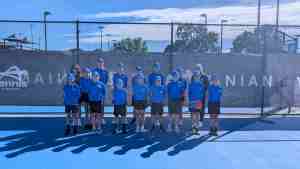
One of the most consistent contributions Tennis North makes to the Launceston community is supporting young people to participate in sport and providing entry points into tennis.
For many children and families, organised sport represents one of the first ways they engage with structured community activity. Tennis North plays a role in creating these opportunities through programs and events that make the sport accessible, particularly for those who are new to it.
Activities such as fun days and introductory sessions, often delivered through Tennis World, becoming ballkids at tournaments, provide an environment where young people can try tennis without the pressure of formal competition. These sessions are designed to be inclusive and approachable, allowing participants to become familiar with the sport at their own pace.
For some participants, these initial experiences lead to ongoing involvement in tennis. They may progress into regular training, join a local club, or participate in competitions such as junior pennants or tournaments. For others, the experience remains a one-off introduction to sport. In both cases, the opportunity to participate contributes to broader physical activity and social interaction.
Volunteer involvement is central to these programs. Coaches, organisers, and support staff often contribute their time to ensure activities run smoothly. This includes setting up courts, coordinating participants, and providing guidance to new players. Without this volunteer support, many of these entry-level opportunities would not be available.
Participation in sport also provides benefits beyond physical activity. For young people, it can support the development of confidence, teamwork, and routine. Being part of a structured activity introduces responsibilities such as attending sessions regularly, following instructions, and interacting with others in a team environment.
Tennis, as a sport, allows for both individual and social participation. Players can develop skills independently while also engaging with others through matches and training. This flexibility makes it accessible to a wide range of participants.
In regional communities like Launceston, organisations such as Tennis North help ensure that opportunities for youth participation remain available locally. Without these structures, access to sport may be more limited, particularly for families who rely on local clubs and volunteer-run programs.
Tennis North continues to support youth participation by maintaining these entry points into the sport. Through consistent programs and volunteer involvement, the organisation contributes to creating opportunities for young people to engage with tennis and, more broadly, with their community.
Share this contribution
For more than four decades, the Junior Tennis Development Committee (JTDC) has played a vital role in shaping the future of tennis in Northern Tasmania. Established in 1980, JTDC has become one of the region’s most enduring and community-driven organisations, dedicated to ensuring every young player—from orange and green ball beginners to advanced yellow ball competitors—has the opportunity to grow, learn, and thrive.
 Operating Under the Guidance of Tennis North
JTDC works under the direction and support of Tennis North, the governing body for tennis across the northern region. This partnership ensures junior programs are aligned with broader development pathways, statewide strategies, and consistent standards. While Tennis North provides structure and governance, JTDC brings the grassroots energy, hands-on coordination, and community spirit that make junior tennis so strong in the North.
JTDC’s impact extends far beyond weekly competitions. The committee actively contributes to a positive, safe, and encouraging environment where children can develop not only tennis skills but also confidence, character, and resilience.
Their support includes:
One of JTDC’s strongest traditions is fostering leadership among older junior players. Experienced yellow-ball players mentor younger participants in orange and green ball leagues, helping them with scoring, rules, court positioning, and match etiquette.
This peer-to-peer support builds community, boosts confidence, and helps new players feel welcome.
 Fundraising Through BBQs, Raffles & Community Events
To keep junior tennis accessible and well-resourced, JTDC organises regular raffles, BBQs, and event-day fundraisers. These help cover costs such as:
equipment
tournament support
coaching assistance
representative player opportunities
awards, events, and end-of-season activities
The fundraising efforts are entirely volunteer-driven, emphasising JTDC’s strong community roots.

Through close collaboration with Tennis North and affiliated clubs, JTDC assists with:
Junior competition administration
Player pathway programs
Skill-development initiatives
Event support for regional tournaments
Encouraging sportsmanship and community participation

Since its formation in 1980, JTDC has built a proud legacy of nurturing thousands of young players—many of whom have gone on to become strong senior players, coaches, club leaders, and lifelong participants in the sport.
What defines JTDC today is the same spirit that defined it at the beginning:
volunteer passion, community care, and a commitment to helping every child discover the joy of tennis.
With the continued backing of Tennis North and the dedication of clubs, parents, coaches, and volunteers, JTDC remains a cornerstone of junior tennis development in Northern Tasmania—a tradition that continues to grow stronger every year.

 Community Conferences 2026 →
Join the CommitLocal community — get updates on local impact, organisations, and events.